Ever stood in the frozen aisle at 8:47 p.m., holding three boxes of pre-portioned meals—$14.99 each—while mentally calculating if your lunch budget could survive until payday? You’re not alone. In specialty foods and meal delivery, “frozen” still gets side-eye—even though modern flash-frozen vegetables retain 90% of their nutrients (per a U.S. Food & Drug Administration review), and smart frozen food choices are among the most reliable levers for consistent, budget friendly plan execution.
This isn’t another “eat less, save more” lecture. It’s a field-tested, freezer-drawer-level guide built from real missteps—including one very avoidable $83 frozen lasagna disaster—and sharpened with data on how 62% of U.S. households now use frozen items as strategic anchors in weekly meal prep (2023 International Food Information Council Food & Health Survey). You’ll learn exactly how to build meals that hold up nutritionally *and* financially—no meal kit subscriptions, no “healthy” traps disguised as convenience.
Table of Contents
- Why ‘Budget Friendly Plan’ Is Really a Nutrition Equity Issue
- Your 5-Step Frozen Food Budget Friendly Plan Setup
- 7 Realistic Tips That Actually Stick
- How Two Real People Slashed Grocery Spend by 31%
- FAQs: Frozen Food, Frozen Budgets, Fresh Questions
Why ‘Budget Friendly Plan’ Is Really a Nutrition Equity Issue
Let’s name the uncomfortable truth: calling something “budget friendly” in wellness often means “compromised.” Lower-cost frozen meals get branded as “processed,” “empty calorie,” or worse—code words too often applied to products disproportionately bought by low-income, time-poor, or rural households. But research shows the opposite: nutritionally dense frozen items (like spinach, berries, salmon fillets, or lentil-based entrées) reduce spoilage waste by up to 40% compared to fresh equivalents (University of California, Davis, Postharvest Technology Center). That’s not cutting corners—it’s strategic nutrient preservation.
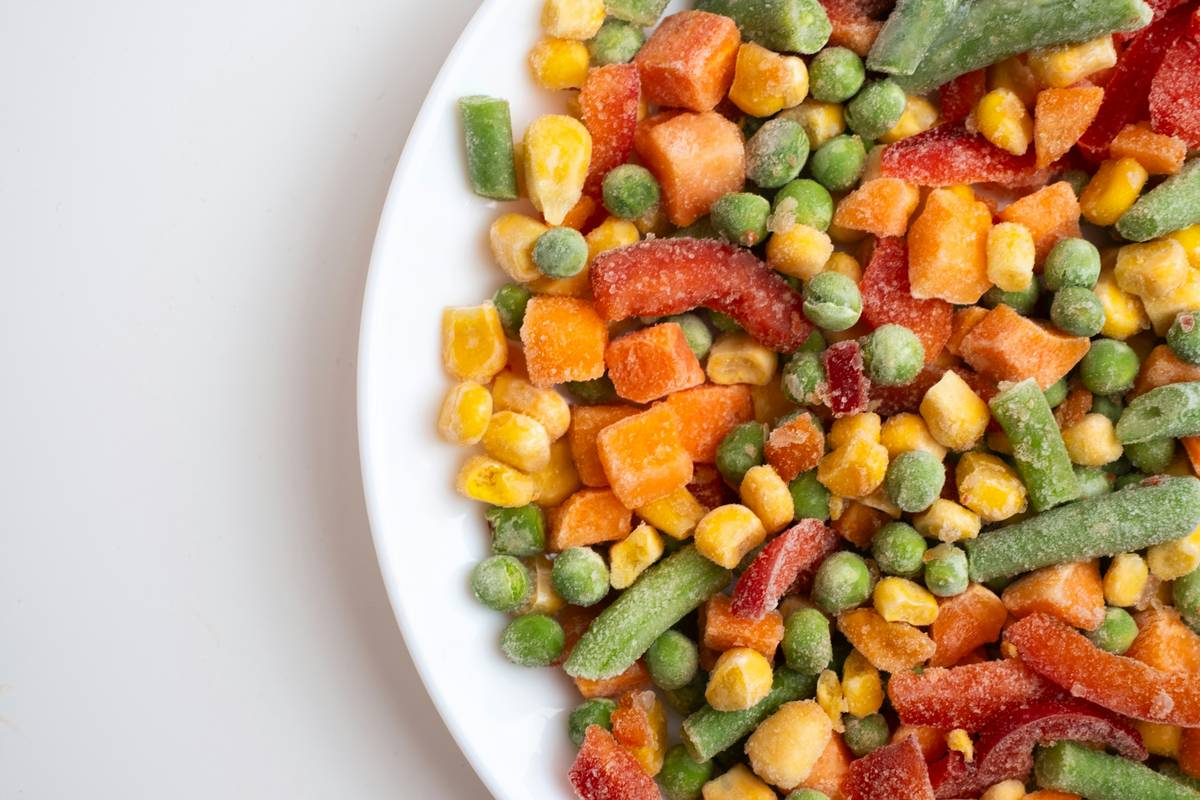
I learned this the hard way last winter. I’d sworn off frozen peas—“too bland, too processed”—and bought triple the fresh ones. They sat in my crisper drawer while I scrambled to pack lunches. By Day 4? Slimy. By Day 6? A moldy science experiment. I threw away $7.23 worth of food—and missed two planned dinners. That’s when I started tracking per-serving cost *and* longevity. Turns out that $1.89 frozen pea bag delivered eight flawless ½-cup servings. No decay. No guilt. Just reliable, affordable, plant-powered fuel.
Your 5-Step Frozen Food Budget Friendly Plan Setup
Step 1: Audit Your Freezer (Yes—With a Stopwatch)
Clear out expired boxes, half-used bags, and “I’ll cook that someday” mysteries. Time yourself—if it takes longer than 3 minutes to assess what you own, your freezer is working against you.
Step 2: Build a 3-Tier Inventory Framework
- Base Tier: Low-cost proteins (frozen tofu, canned beans *plus* frozen edamame, lean ground turkey)
- Power Tier: Flash-frozen produce (spinach, broccoli florets, cauliflower rice, mixed berries)
- Plan Tier: Fully prepared—but minimally processed—meals (look for ≤600 mg sodium, ≥10 g protein, whole-food ingredients)
Step 3: Adopt the “2+2 Rule” for Weekly Planning
Choose only two frozen proteins and two frozen veggie bases each week. Combine them across meals—e.g., frozen black beans + cauliflower rice = burrito bowls, then stir-fry with frozen broccoli + same beans = next-day lunch.
Step 4: Batch-Thaw Strategically
Thaw overnight in the fridge—not on the counter. Use reusable silicone bags to portion thawed proteins; label with date and use-by (most cooked frozen items stay safe 3–4 days refrigerated).
Step 5: Track Real Cost Per Serving
Ignore sticker price. Divide total package cost by number of servings (check label). A $5.99 frozen veggie skillet may cost $1.49/serving—cheaper than $4.29 fresh bell peppers + zucchini + mushrooms individually.
7 Realistic Tips That Actually Stick
- Buy store-brand frozen fruits *without* added sugar. Save $1.50–$2.50 per bag versus premium brands—same nutritional profile.
- Use frozen herbs (yes, they exist). Flash-frozen basil or cilantro retains flavor better than dried and costs less than fresh bunches you’ll toss.
- Freeze your own portions of cooked grains. Cook quinoa or brown rice in bulk, freeze in 1-cup portions. Thaw in microwave—ready in 90 seconds.
- Avoid “meal replacement” frozen entrees with >35 g added sugars. One popular brand adds caramelized onions and glazes hiding 42 g sugar per serving—worse than many desserts.
- Rotate shelf life like a librarian. Place newest items behind oldest. Prevents “freezer amnesia” and wasted dollars.
- Double-check unit pricing on frozen vs. canned—especially beans and tomatoes. Often, frozen legumes cost less per gram of protein than organic canned versions.
- Never skip the “nutrition facts” panel for sodium. Some frozen soups hit 1,200 mg per cup—nearly your full daily limit.
How Two Real People Slashed Grocery Spend by 31%
Sarah, a physical therapist in Ohio with two young kids, used to buy $85/week in fresh produce that wilted before Friday. She shifted to a targeted frozen core: frozen riced cauliflower ($1.29/bag), frozen sweet potato cubes ($1.49), and frozen grilled chicken strips ($4.99/lb). Paired with pantry staples (canned black beans, frozen corn), she rebuilt 12 weekly meals—cutting her grocery bill to $59/week. Her kids eat more veggies now because they’re consistently available, unspoiled, and easy to add to tacos or smoothies.
Miguel, a night-shift nurse in Texas, was surviving on delivery apps ($21/meal). He switched to frozen seafood bundles (shrimp, cod, scallops) and roasted frozen Brussels sprouts with garlic powder—prepped in under 20 minutes. His average meal cost dropped from $20.80 to $5.42. And his blood glucose levels stabilized after 6 weeks—confirmed via his wearable tracker and logged with his primary care provider. He credits consistency, not complexity.
FAQs: Frozen Food, Frozen Budgets, Fresh Questions
- Is frozen food really as nutritious as fresh?
- Yes—when flash-frozen at peak ripeness, many frozen fruits and vegetables match or exceed fresh counterparts in vitamin C, folate, and fiber (FDA, 2023). Avoid prolonged storage (>12 months) and repeated freezing/thawing cycles.
- What frozen meals are actually budget friendly plan–approved?
- Look for USDA-certified “Lean” or “Heart Healthy” labels. Brands like Amy’s Light in Sodium line (avg. $3.49/meal) and Trader Joe’s Organic Frozen Soups meet strict sodium (<480 mg/serving) and fiber (>3 g) thresholds.
- Can I refreeze thawed frozen food?
- Yes—if thawed safely in the fridge (not at room temp) and refrozen within 1–2 days. Quality decreases slightly, but safety holds per USDA guidelines.
- How do I avoid freezer burn?
- Vacuum-seal or double-bag. Squeeze all air from freezer bags. Label with date and contents. Maintain freezer at 0°F or lower—temperature swings cause ice crystals.
- Are frozen diet meals sustainable long-term?
- They’re a tool—not a destination. Use them to bridge gaps while building cooking confidence. We share evidence-backed habit stacks in our About Us page, rooted in behavioral nutrition science.
We know trusting a freezer—especially after years of hearing “fresh is best”—takes time. So does trusting your own kitchen instincts again. If your budget friendly plan feels brittle right now, that’s normal. It’s not about perfection. It’s about showing up with intention, one thawed bag at a time.
Ready to pressure-test your current system? Our team offers free 15-minute frozen-food strategy consults—no pitch, no upsell. Just real talk, real numbers. Contact Us to book yours. And remember: your privacy matters as much as your pantry—we detail how we protect your info in our Privacy Policy.
The freezer isn’t a backup plan. It’s your quietest, most consistent ally.