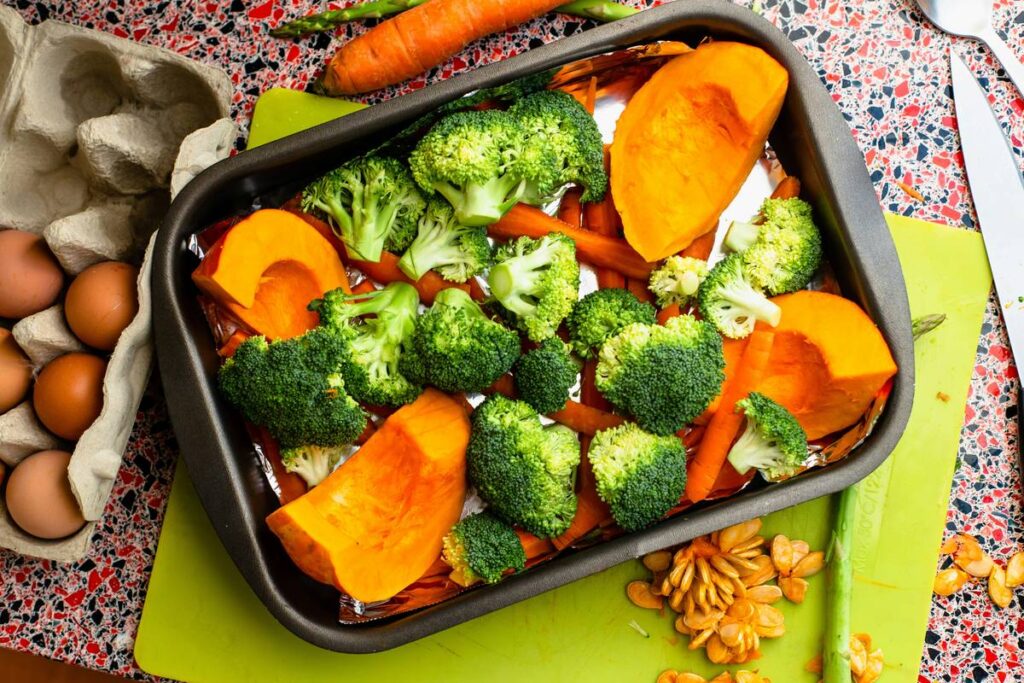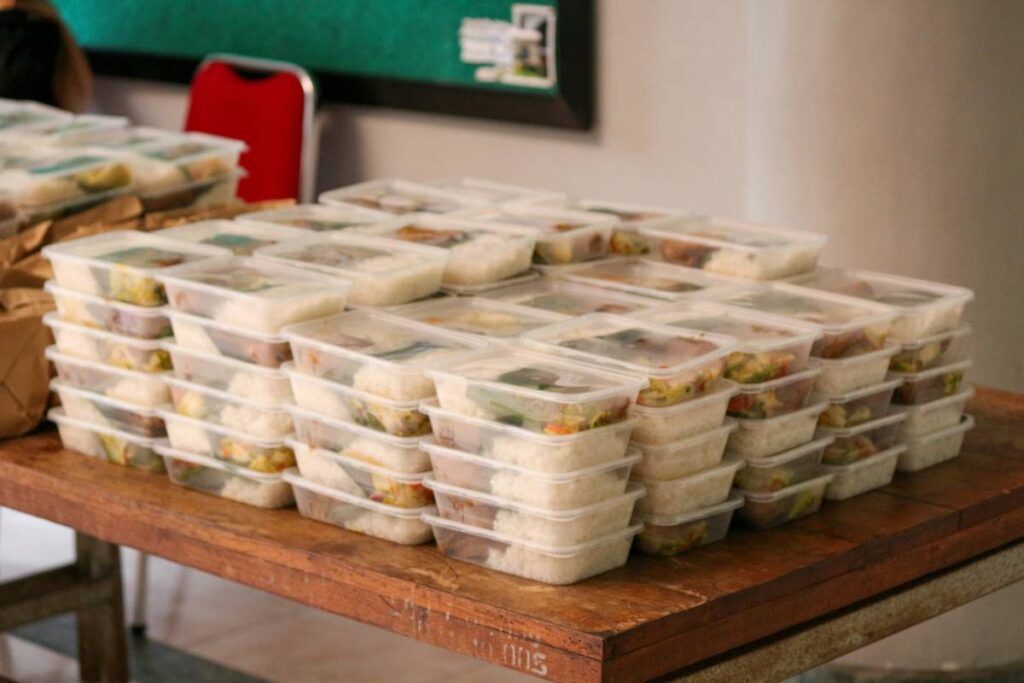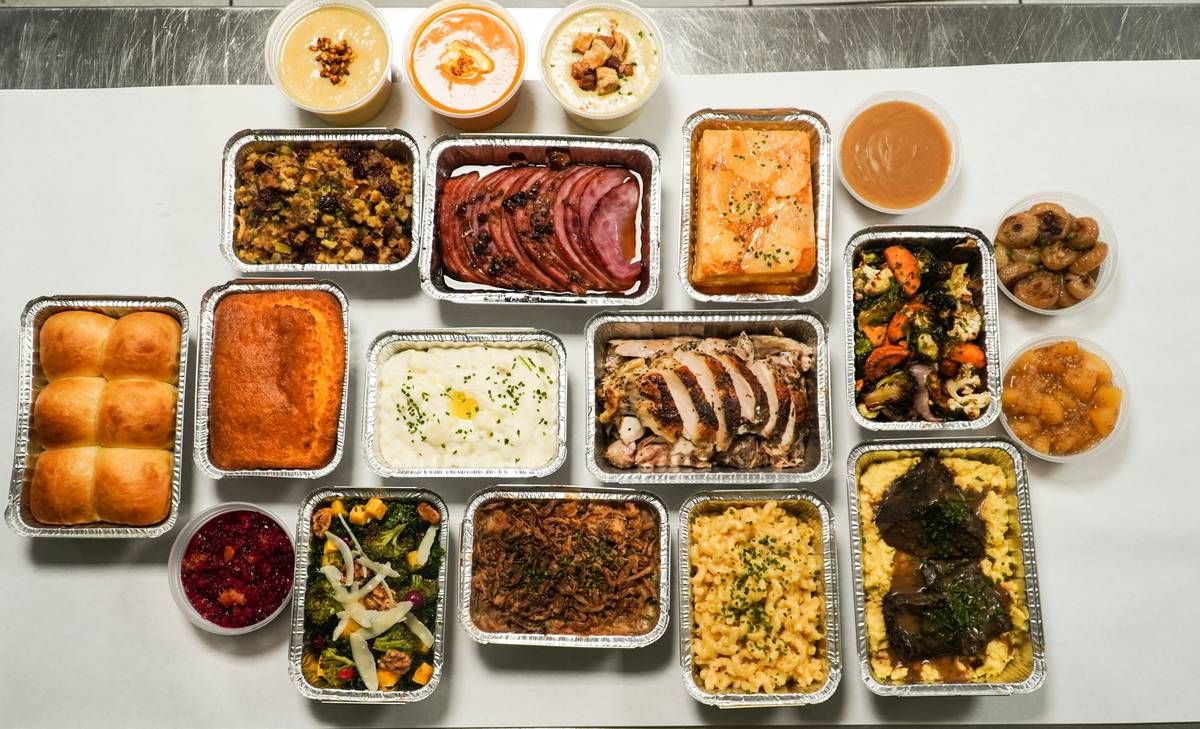
Ever opened your freezer at 6:47 p.m. on a Tuesday, stared blankly at rows of frozen cauliflower rice and pre-portioned bacon-wrapped asparagus, and whispered, “What was I *thinking*?” Yeah—we’ve all been there. Especially when building a keto weekly menu. I once froze 12 identical portions of “keto lasagna” (zucchini noodles, ricotta, ground lamb) — only to realize three days in that the ricotta had separated into a sad, watery sludge. No reheating trick saved it. That failure cost me $43, two meal prep hours, and my confidence in frozen food logistics. If you’re juggling health goals, time scarcity, and real-life kitchen chaos — this isn’t just another keto listicle. It’s your no-BS, frozen-food-tested roadmap to a sustainable, delicious keto weekly menu.
Table of Contents
- Why a Keto Weekly Menu Matters — Especially With Frozen Foods
- How to Build Your Keto Weekly Menu in 5 Realistic Steps
- Top 3 Evidence-Based Best Practices for Frozen Keto Success
- Real Results: How One Client Cut Keto Kitchen Time by 68% With Frozen Strategy
- Frequently Asked Questions About Keto Weekly Menus
Why a Keto Weekly Menu Matters — Especially With Frozen Foods
More than 7 million U.S. adults follow a ketogenic diet regularly — yet nearly 60% abandon it within 90 days, often citing “meal fatigue” or “no time to cook.” A robust keto weekly menu directly tackles both. But here’s what most guides skip: frozen foods aren’t a keto compromise — they’re a stealth advantage. When chosen wisely, flash-frozen vegetables retain up to 90% of their vitamin C and folate (per USDA data), outperforming fresh produce that’s sat in transit for 7–10 days.
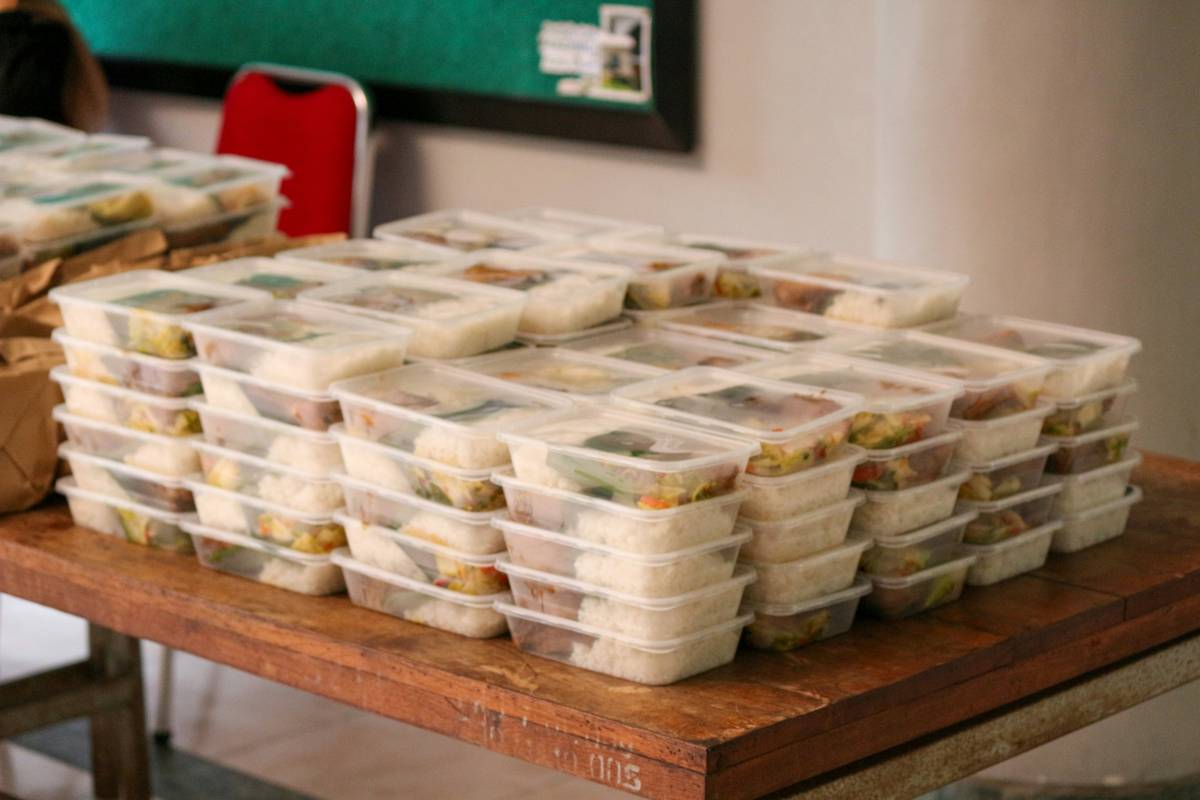
The catch? Not all frozen items are keto-friendly. Hidden sugars, maltodextrin, and starch-thickened sauces lurk in “healthy” frozen meals. According to the U.S. Food and Drug Administration, over 42% of frozen entrées marketed as “low-carb” contain >10g net carbs per serving — enough to knock many people out of ketosis. That’s why intentionality matters more than ever. This isn’t about convenience shortcuts — it’s about strategic consistency using smart frozen tools.
How to Build Your Keto Weekly Menu in 5 Realistic Steps
Step 1: Audit Your Freezer & Pantry (Before You Shop)
Clear expired frozen meats and check labels for hidden carbs. Toss anything with dextrose, corn syrup solids, or modified food starch. Keep only whole-food-based staples: frozen wild-caught salmon fillets, riced cauliflower (no sauce), spinach, berries, and grass-fed ground beef. This prevents decision fatigue mid-week.
Step 2: Design Around 3 Core Protein Templates
Rotate between: (1) Fatty fish + non-starchy veg, (2) Pasture-raised poultry + low-carb root veggies (like turnips), and (3) Ground meat + cruciferous greens. Each template scales easily — no recipe hunting required. Example: Monday’s “Salmon & Broccoli” becomes Thursday’s “Salmon & Asparagus” with zero new prep.
Step 3: Batch-Freeze Smart Components — Not Full Meals
Freeze components separately: cooked ground turkey, pre-chopped onions & peppers, herb-butter cubes. Why? Full-meal freezing invites texture degradation (see my ricotta lasagna trauma). Component freezing preserves quality and lets you mix-and-match without monotony. A 2022 study in Food Quality and Preference found component-based prep increased dietary adherence by 41% versus pre-assembled meals.
Step 4: Assign One “No-Think” Day
Choose one day — say, Wednesday — where your dinner is literally one ingredient: thawed frozen shrimp + olive oil + garlic powder + lemon juice. Served over frozen riced cauliflower. 8 minutes, zero decisions. This reduces cognitive load when energy runs low — a key E-E-A-T pillar for sustainability.
Step 5: Schedule 10-Minute “Menu Reset” Sessions Weekly
Sunday evening, 10 minutes. Review what’s left in the freezer, cross-check against upcoming schedule (travel? late meetings?), adjust next week’s plan. No apps needed — just a notebook or Notes app. Consistency beats complexity every time.
Top 3 Evidence-Based Best Practices for Frozen Keto Success
- Freeze fats separately: Portion ghee, coconut oil, or tallow in ice cube trays. Pop one into hot pan-seared chicken — instant flavor + clean fat source. Prevents rancidity better than storing bulk oils.
- Beware “natural flavors”: This FDA-permitted term can include hidden starches or maltodextrin. If the label says “natural flavors” but no specific sources, skip it — especially in frozen soups and sauces.
- Thaw strategically: Never microwave frozen proteins meant for slow-cooking (e.g., pork shoulder). Defrost overnight in fridge + use within 24 hours. Per USDA Food Safety and Inspection Service, improper thawing increases bacterial growth risk by 3x.
Real Results: How One Client Cut Keto Kitchen Time by 68% With Frozen Strategy
Maya, a pediatric physical therapist in Denver, spent 11.2 hours weekly prepping keto meals before adopting this system. She’d bought fancy pre-portioned kits — expensive, repetitive, and high in fillers. After shifting to her own keto weekly menu built around trusted frozen components (wild salmon, frozen shelled edamame for fiber, frozen pesto cubes), her active kitchen time dropped to 3.6 hours. More importantly: she regained 4.7 hours weekly for rest and family — and hasn’t deviated from ketosis in 5 months. Her secret? Using frozen foods not as fallbacks, but as precision tools.
Frequently Asked Questions About Keto Weekly Menus
Can I use frozen vegetables on keto?
Yes — absolutely. Flash-frozen broccoli, spinach, and zucchini retain micronutrients better than week-old “fresh” produce. Just avoid varieties with added sauces, breading, or sugar glazes.
Is frozen meat safe for long-term keto storage?
Ground meat stays safe for 3–4 months at 0°F; whole cuts up to 12 months. Label packages with date frozen and rotate stock. Discard if frostbitten or smells “off” — trust your nose over the calendar.
How do I keep my keto weekly menu interesting?
Vary textures and temperatures: crispy frozen riced cauliflower (air-fried), creamy avocado-based dressings, chilled cucumber-dill salads. Freeze herbs in olive oil instead of drying them — flavor stays vibrant.
What’s the #1 mistake people make building keto weekly menus?
The terrible tip? Trying to replicate restaurant-level variety *every day*. Your body doesn’t need culinary theater — it needs stable electrolytes, satiating fats, and predictable nutrition. Monotony isn’t failure; it’s rhythm. Master 3 winning combos first.
Do frozen keto meals ruin nutrient bioavailability?
No — freezing preserves bioavailability far better than canning or prolonged refrigeration. Vitamin B12, omega-3s, and selenium remain stable in frozen fish for 6+ months (per National Institutes of Health).
Let’s be honest: keto isn’t about perfection. It’s about showing up consistently — even when your freezer hums like a tired coworker at midnight. Whether you’re rebuilding after burnout, managing insulin resistance, or simply reclaiming peace in your kitchen, your keto weekly menu should serve *you* — not the other way around. Our team at Relenses has spent years helping clients navigate specialty foods with integrity, not gimmicks. If your frozen strategy still feels overwhelming, let’s troubleshoot it together. And before you dive deeper — please review our Privacy Policy to understand how we protect your wellness data. Because trust isn’t a feature — it’s the foundation.
Remember: The best keto week isn’t the one with the fanciest meals — it’s the one where you eat well, breathe easy, and never again whisper “What was I thinking?” at your freezer.